Dell 15.6" Core 3 100U vs Dell Latitude 14-Inch Ultrabook 32GB (2026): Key Differences
As an Amazon Associate we earn from qualifying purchases. Links on this page are affiliate links.
You are comparing the dell 15 6 core 3 100u vs latitude 14 inch ultrabook 32gb. Both laptops offer Full HD displays and run Windows 11. The primary difference lies in their core performance and capacity. One model prioritizes modern efficiency with a newer processor and ample RAM for multitasking. The other focuses on raw processing power with a higher-end chip and massive storage. You must decide which balance of speed and space fits your daily workflow best.
Key differences
| Aspect | Dell 15.6" Core 3 100U Laptop | Dell Latitude 14-Inch Ultrabook 32GB RAM |
|---|---|---|
| Processor | Intel Core 3 100U | Intel Core i7 7th Gen 7600U |
| Memory | 8 GB RAM | 32 GB RAM |
| Storage | 512 GB | 1 TB SSD |
| Screen Size | 15.6 inches | 14 inches |
Which one should you choose?
Choose Dell 15.6" Core 3 100U Laptop if
- You need a larger 15.6-inch screen for typing and viewing.
- You want a modern processor designed for energy efficiency.
- You prefer a laptop with a dedicated numeric keypad.
Choose Dell Latitude 14-Inch Ultrabook 32GB RAM if
- You require 32 GB of RAM for heavy multitasking.
- You need 1 TB of storage for large files.
- You prioritize a faster Core i7 processor for demanding tasks.
Verdict: Choose the Dell 15.6 Core 3 100U if you value a larger screen and modern power efficiency for everyday tasks. Select the Dell Latitude 14-Inch Ultrabook if you need significantly more RAM, storage, and raw processing power for professional workloads.
Core 3 vs Latitude i7 Specs
processor generation
The Dell 15.6" Core 3 100U Laptop uses a modern Intel Core 3 100U processor. This chip is designed for everyday computing tasks with a focus on energy efficiency. In contrast, the Dell Latitude 14-Inch Ultrabook 32GB RAM features an Intel Core i7 7th Gen 7600U. While the i7 is a higher-tier brand, it is from an older generation. The Core 3 100U represents newer architecture, which often means better performance per watt and improved handling of modern operating system demands compared to the older i7 model.
system memory
Memory capacity is a major differentiator between these two machines. The Dell Latitude 14-Inch Ultrabook 32GB RAM comes equipped with 32 GB of RAM. This large amount of memory allows you to run many applications simultaneously without slowing down. The Dell 15.6" Core 3 100U Laptop, however, is listed with only 8 GB of RAM. For typical web browsing and document work, 8 GB is sufficient. However, if you plan to multitask heavily or use memory-intensive software, the Latitude’s 32 GB provides significantly more headroom and stability.
storage capacity
Storage space determines how many files, photos, and programs you can keep on the device. The Dell Latitude 14-Inch Ultrabook 32GB RAM includes a 1 TB SSD. This offers ample room for large datasets, extensive media libraries, and numerous applications. The Dell 15.6" Core 3 100U Laptop provides a 512GB storage capacity. While this is a decent amount for average users, it is half the space offered by the Latitude. If you store large video files or need extensive local storage, the Latitude’s 1 TB drive is the superior choice.
screen size
The physical display size affects your workspace and portability. The Dell 15.6" Core 3 100U Laptop features a 15.6-inch screen. This larger canvas provides more horizontal space for spreadsheets, side-by-side windows, and detailed media viewing. The Dell Latitude 14-Inch Ultrabook 32GB RAM has a 14-inch display. While both offer Full HD resolution, the 15.6-inch panel gives you more room to work. If you prioritize a larger viewing area for productivity or entertainment, the 15.6-inch model is the better option for your eyes and workflow.
portability and weight
Portability matters if you carry your laptop frequently. The Dell 15.6" Core 3 100U Laptop weighs 4.19 pounds and measures 14.1 inches wide. The Dell Latitude 14-Inch Ultrabook 32GB RAM is described as an Ultrabook, a category typically associated with lighter, thinner designs. Although the exact weight of the Latitude is not listed in the provided data, its 14-inch form factor and Ultrabook classification suggest it is likely more compact and easier to transport than the larger 15.6-inch model. For frequent travelers, the smaller chassis is generally preferred.
display resolution
Both laptops offer Full HD resolution for clear visuals. The Dell 15.6" Core 3 100U Laptop specifies an FHD display. The Dell Latitude 14-Inch Ultrabook 32GB RAM also lists a 14-inch Full HD Resolution display with a 1920x1080 pixel count. This means both screens provide the same level of sharpness and detail for text and images. Since the resolution is identical, the visual clarity will be comparable. The difference lies in the physical size, with the 15.6-inch screen offering more total pixels overall, but the pixel density per inch may vary between the two models.
Choose based on RAM and portability needs
Heavy multitaskers needing large memory
The Latitude 7480 includes 32 GB of RAM and a 1 TB SSD. This configuration handles demanding workloads and stores large files efficiently. You benefit from substantial capacity for professional tasks that require significant memory resources and fast storage access.
Users preferring modern efficient processors
The Dell 15.6 model features the newer Intel Core 3 100U processor. This chip focuses on energy efficiency for everyday computing. You get a device designed to extend battery life while managing daily tasks with modern architectural improvements over older generations.
Those wanting a numeric keypad
This 15.6-inch laptop offers a roomy keypad with a separate numeric section. You can calculate quickly without switching layouts. The larger screen size also provides more visual space for spreadsheets and data entry compared to the compact 14-inch alternative.
Buyers needing extensive physical ports
The Latitude 7480 provides Ethernet, HDMI, and Type-C ports alongside high-speed USB options. You connect directly to networks and displays without adapters. This setup suits users who require reliable wired connections and versatile docking capabilities for their workflow.
The products compared
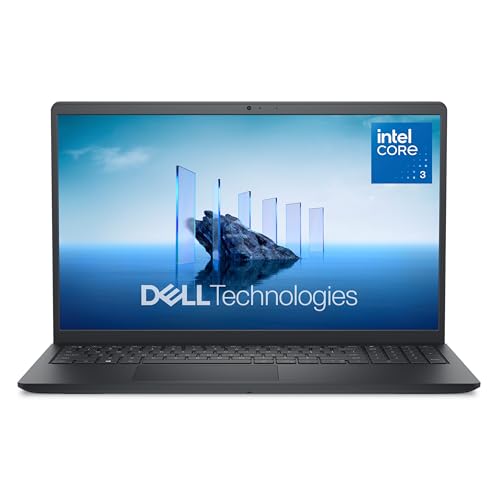
Dell 15.6" Core 3 100U Laptop
Best for: everyday computing and student use
- Graphics Card
- Intel UHD Graphics
- Processor
- Intel Core 3 100U
- Memory
- 8 GB RAM
- Storage Capacity
- 512GB SSD
- Screen Size
- 15.6"
- Display Resolution
- FHD
View on Amazon: Dell 15.6" Core 3 100U Laptop Affiliate link
This Dell 15.6 laptop features an Intel Core 3 100U processor and 8 GB of RAM. It includes a 512GB storage drive and an FHD display. The 4.19-pound build includes a numeric keypad and ergonomic hinge. It suits students or home users needing basic computing power. The 1-year onsite service adds convenience. You get a practical machine for everyday tasks without premium specs.
Pros
- Intel Core 3 100U processor for everyday tasks
- 15.6-inch FHD display with ComfortView software
- 512GB storage capacity
- Separate numeric keypad for calculations
- 1-year onsite service warranty
Cons
- 8 GB RAM is lower than the 32 GB in the Dell Latitude 14
- 4.19 pounds is heavier than typical ultrabooks
- 0.75-inch thickness is bulkier than slim designs
Good fit if
- You need a large 15.6-inch screen for productivity
- You require a numeric keypad for data entry
- You want onsite warranty support included
Skip if
- You need 32 GB of RAM for heavy multitasking
- You prioritize a lightweight ultrabook under 3 pounds
- You require high-performance gaming capabilities
Verdict: Dell 15.6 Core 3 Laptop is a solid choice for students or home users who prioritize screen size and onsite support over portability and high RAM.

Dell Latitude 14-Inch Ultrabook 32GB RAM
Best for: Multitasking and large file storage needs
- Processor
- Intel Core i7 7th Gen 7600U 2.8 GHz
- Memory
- 32 GB
- Storage Capacity
- 1 TB SSD
- Screen Size
- 14"
- Display Resolution
- 1920x1080
- Weight
- 20 grams
View on Amazon: Dell Latitude 14-Inch Ultrabook 32GB RAM Affiliate link
This Dell Latitude 7480 ultrabook pairs a 14-inch FHD display with an Intel Core i7 7th Gen processor and 32 GB of RAM. You get 1 TB of SSD storage for ample space. It includes Windows 11 and Microsoft Office. This setup suits users who need strong multitasking power and large file storage in a compact 14-inch form factor.
Pros
- Intel Core i7 7th Gen 7600U processor
- 32 GB RAM for heavy multitasking
- 1 TB SSD storage capacity
- 14-inch 1920x1080 FHD display
Cons
- 7th Gen processor is older technology
- 14-inch screen is smaller than 15.6-inch alternatives
- No dedicated graphics card listed
Good fit if
- You need high RAM for virtualization or heavy apps
- You require large local storage for files
- You prefer a compact 14-inch laptop size
Skip if
- You need the latest processor generation
- You require a 15.6-inch or larger screen
- You need dedicated graphics for gaming
Verdict: Dell Latitude 14" i7 Ultrabook fits users who prioritize RAM and storage over modern processor speeds. It is a solid choice for productivity tasks that demand memory and space.
Specifications side by side
| Spec | Dell 15.6" Core 3 100U Laptop | Dell Latitude 14-Inch Ultrabook 32GB RAM |
|---|---|---|
| Graphics Card | Intel UHD Graphics | not stated |
| Processor | Intel Core 3 100U | Intel Core i7 7th Gen 7600U 2.8 GHz |
| Memory | 8 GB RAM | 32 GB |
| Storage Capacity | 512GB SSD | 1 TB SSD |
| Screen Size | 15.6" | 14" |
| Display Resolution | FHD | 1920x1080 |
| Storage | 512GB SSD | 1TB SSD |
| Size | 512GB | 14-14.99 inches |
| Dimensions | 9.27 × 14.1 × 0.75 inches | not stated |
| Weight | 4.19 pounds | 20 grams |
| Color | Carbon Black | Silver |
| Model | LDC15250-3883BLK-PUS | Latitude 7480 Ultrabook |
Frequently asked questions
Which laptop has more RAM?
The Dell Latitude 14-Inch Ultrabook has significantly more memory. It includes 32GB of RAM, which supports heavy multitasking and large file storage. The Dell 15.6" Core 3 100U Laptop comes with only 8GB of RAM. This lower amount is sufficient for everyday tasks but limits performance when running many applications simultaneously.
Which device offers larger storage capacity?
The Dell Latitude 14-Inch Ultrabook provides more storage space. It features a 1TB SSD for saving files and applications. The Dell 15.6" Core 3 100U Laptop offers a 512GB size. While adequate for basic use, the Latitude model doubles the available space for your data and media libraries.
Is the Latitude 14 better for multitasking?
Yes, the Latitude 14-Inch Ultrabook is better for multitasking. Its 32GB of RAM allows you to run multiple programs without slowing down. The Core 3 model has only 8GB of RAM, which may struggle when switching between many tabs or apps. The Latitude handles productivity tasks that demand high memory more efficiently.
Which laptop is more portable?
The Dell Latitude 14-Inch Ultrabook is more portable. It weighs less and has a smaller 14-inch screen compared to the 15.6-inch model. The Core 3 laptop weighs 4.19 pounds and measures 14.1 inches wide. The Latitude is designed for users who prioritize carrying their device around over having a larger display area.
What processor does the Latitude model use?
The Dell Latitude 14-Inch Ultrabook uses an Intel Core i7 processor. This chip is designed for productivity tasks and handles demanding workloads well. The Core 3 laptop uses a Core 3 100U processor, which focuses on energy efficiency for everyday computing. The i7 offers higher performance for complex applications.
Which laptop is best for students?
The Dell 15.6" Core 3 100U Laptop is a solid choice for students. It offers a larger screen and is best for everyday computing and student use. The Latitude model is better for those needing high RAM and storage for professional work. Students prioritizing screen size over portability will find the Core 3 model suitable.
Does the Latitude model have a modern processor?
The Dell Latitude 14-Inch Ultrabook uses an Intel Core i7 processor. While it provides strong performance for multitasking, the Core 3 100U in the other model is a newer generation chip focused on efficiency. The Latitude fits users who prioritize RAM and storage over the latest processor speeds for general tasks.