ASUS vs Dell: Gaming Laptops Compared by Specs
As an Amazon Associate we earn from qualifying purchases. Links on this page are affiliate links.
When comparing an ASUS vs dell gaming laptop, you will notice distinct hardware choices. The ASUS Vivobook 16 uses a Snapdragon X processor with 16GB of RAM and a 16-inch display. The Dell 15.6 relies on an Intel Core 3 chip with 8GB of RAM and a 15.6-inch screen. Both offer 512GB of storage. The main difference lies in the processor architecture, memory capacity, and screen dimensions. These specs define their respective performance profiles.
Key differences
| Aspect | ASUS Vivobook 16 Snapdragon Laptop | Dell 15.6" Core 3 100U Laptop |
|---|---|---|
| Processor | Qualcomm Snapdragon X | Intel Core 3 100U |
| Memory | 16GB | 8GB |
| Screen Size | 16 inches | 15.6 inches |
| Graphics Card | Qualcomm Adreno GPU | not listed |
| Refresh Rate | 60Hz | not listed |
Which one should you choose?
Choose ASUS Vivobook 16 Snapdragon Laptop if
- You need more RAM for multitasking.
- You prefer a larger 16-inch display.
- You want a Snapdragon processor.
Choose Dell 15.6" Core 3 100U Laptop if
- You prefer an Intel processor.
- You want a more compact 15.6-inch form factor.
- You require onsite service support.
Verdict: The ASUS Vivobook 16 offers more memory and a larger screen for users who need extra headroom. The Dell 15.6 provides a familiar Intel processor and onsite service for those who prioritize support. Your choice depends on whether you value higher RAM and screen size over processor brand and service terms.
ASUS vs Dell Laptop Spec Comparison
processor performance
The ASUS Vivobook 16 features the Qualcomm Snapdragon X 8-core processor, which includes a Hexagon NPU capable of up to 45 TOPS for AI tasks. This chipset is designed for power efficiency and multi-day battery life. In contrast, the Dell 15.6 uses the Intel Core 3 100U processor. While the Intel chip is built for everyday computing efficiency, the Snapdragon X offers specialized hardware acceleration for AI workloads. The ASUS architecture provides a distinct advantage for users prioritizing modern AI capabilities and sustained performance over longer periods without charging.
memory capacity
Multitasking capability is largely defined by the amount of system memory available. The ASUS Vivobook 16 comes equipped with 16GB of RAM, allowing for smoother handling of multiple applications, heavy browser tabs, and creative software simultaneously. The Dell 15.6 is configured with 8GB of RAM. For basic web browsing and document editing, 8GB is sufficient, but the ASUS model provides double the memory. This extra capacity in the ASUS device ensures better performance when running demanding tasks or keeping many programs open at once.
graphics capabilities
Visual performance depends heavily on the integrated graphics solution. The ASUS Vivobook 16 utilizes the Qualcomm Adreno GPU, featuring a sliced-architecture design intended for raw power and significant generational improvements in performance while optimizing power consumption. The Dell 15.6 relies on the integrated graphics associated with the Intel Core 3 100U processor, which is standard for everyday computing. The ASUS Adreno GPU is explicitly highlighted for its power advantage and ability to handle more demanding visual tasks compared to the basic integrated solution in the Dell.
screen size
Display dimensions affect workspace and portability. The ASUS Vivobook 16 offers a 16-inch WUXGA display with a 16:10 aspect ratio and 1920 x 1200 resolution. This larger screen provides more vertical and horizontal space for multitasking and content creation. The Dell 15.6 features a 15.6-inch FHD display. While the Dell screen is standard for its class, the ASUS model provides a larger viewing area. The 16-inch panel on the ASUS allows for more detailed work and better immersion in media, making it the superior choice for those who prioritize screen real estate.
storage capacity
Both laptops provide ample space for files, games, and applications. The ASUS Vivobook 16 includes a 512GB SSD, which supports fast boot times and quick file access. The Dell 15.6 also comes with 512GB of storage. Since both devices offer the same storage capacity, there is no difference in how much data you can store. Both systems utilize solid-state drives, ensuring rapid data transfer speeds. For users who need to store large libraries of games or media files, the identical 512GB capacity in both models meets standard requirements equally well.
portability
Weight and dimensions influence how easy a laptop is to carry. The ASUS Vivobook 16 weighs 3.88 pounds and measures 12 inches wide by 2.5 inches thick. The Dell 15.6 weighs 4.19 pounds and measures 14.1 inches wide by 0.75 inches thick. The ASUS model is lighter by over three-tenths of a pound, making it slightly easier to carry for extended periods. However, the Dell is significantly thinner at less than an inch thick. The ASUS offers a better balance of weight for a 16-inch screen, while the Dell prioritizes a slim profile for a 15.6-inch chassis.
Which laptop fits your needs
Users needing high RAM and large screen
The ASUS Vivobook 16 includes 16GB of RAM and a 16-inch WUXGA display. This setup handles multitasking and media consumption better than the Dell option. The larger screen and extra memory provide more workspace for your applications and files.
Buyers wanting dedicated onsite hardware support
The Dell 15.6 includes one year of onsite service. This means a technician will visit your location if an issue cannot be resolved remotely. This service offers peace of mind for hardware repairs without requiring you to ship the device.
Those prioritizing AI performance and efficiency
The ASUS model features a Snapdragon X processor with a Hexagon NPU rated at 45 TOPS. This chip is designed for AI tasks and power efficiency. It also offers multi-day battery life, making it suitable for users who need long usage times.
The products compared

ASUS Vivobook 16 Snapdragon Laptop
Best for: long battery life and large screens
- Graphics Card
- Qualcomm Adreno GPU
- Processor
- Qualcomm Snapdragon X
- Memory
- 16GB
- Storage Capacity
- 512GB SSD
- Screen Size
- 16"
- Refresh Rate
- 60Hz
View on Amazon: ASUS Vivobook 16 Snapdragon Laptop Affiliate link
This ASUS Vivobook 16 features a 16-inch WUXGA display with a 60Hz refresh rate and 300-nit brightness. It runs on a Qualcomm Snapdragon X processor with 16GB of RAM and a 512GB SSD. The integrated Adreno GPU handles visuals efficiently. This laptop is designed for AI tasks and offers multi-day battery life. It suits users who prioritize portability and long battery endurance over high-refresh-rate gaming.
Pros
- 16GB RAM for efficient multitasking
- Qualcomm Snapdragon X processor with 45 TOPS NPU
- 16-inch 1920 x 1200 WUXGA display
- 512GB PCIe 4.0 SSD storage
Cons
- 60Hz refresh rate limits smooth motion
- Integrated Adreno GPU lacks dedicated graphics power
- 3.88-pound weight adds bulk for travel
Good fit if
- You need all-day battery life for mobile work
- You prefer a larger 16-inch screen for productivity
- You want efficient AI processing capabilities
Skip if
- You require high frame rates for competitive gaming
- You need dedicated graphics for heavy rendering
- You prioritize a lightweight under-3-pound build
Verdict: ASUS Vivobook 16 Snapdragon X is a solid choice for users who value battery efficiency and a large screen for daily tasks. It fits those who do not need high-refresh-rate displays or dedicated graphics cards for gaming.
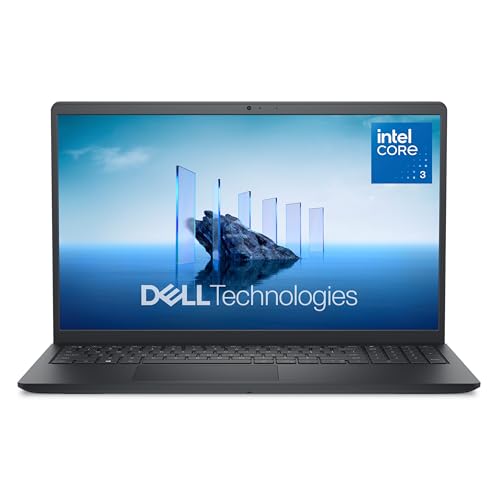
Dell 15.6" Core 3 100U Laptop
Best for: Everyday productivity and student computing
- Graphics Card
- Intel UHD Graphics
- Processor
- Intel Core 3 100U
- Memory
- 8 GB RAM
- Storage Capacity
- 512GB SSD
- Screen Size
- 15.6"
- Display Resolution
- FHD
View on Amazon: Dell 15.6" Core 3 100U Laptop Affiliate link
This Dell 15.6 laptop pairs an Intel Core 3 100U processor with 8 GB of RAM and a 512 GB storage drive. It features a 15.6-inch FHD display, making it suitable for everyday computing tasks. The device includes ergonomic design elements like lifted hinges and a numeric keypad. It is best for users who need a reliable machine for school or light office work, prioritizing battery efficiency and basic performance over high-end gaming capabilities.
Pros
- Intel Core 3 100U processor for efficient everyday computing
- 15.6-inch FHD display with Dell ComfortView blue light reduction
- 512 GB storage capacity for ample file space
- Separate numeric keypad for quick calculations
- 1 Year Onsite Service included with purchase
Cons
- Only 8 GB of RAM limits multitasking heavy loads
- 60Hz refresh rate is not ideal for fast-paced gaming
- Heavier at 4.19 pounds compared to lighter ultrabooks
Good fit if
- You need a dedicated numeric keypad for data entry
- You want Onsite Service support for hardware issues
- You prioritize eye comfort with blue light reduction software
Skip if
- You require high-performance gaming with a dedicated GPU
- You need more than 8 GB of RAM for professional apps
- You prefer a lighter laptop under 3 pounds
Verdict: The Dell 15.6 Laptop Intel Core 3 is a practical option for students and remote workers who value onsite support and a full-sized keyboard for productivity tasks.
Specifications side by side
| Spec | ASUS Vivobook 16 Snapdragon Laptop | Dell 15.6" Core 3 100U Laptop |
|---|---|---|
| Graphics Card | Qualcomm Adreno GPU | Intel UHD Graphics |
| Processor | Qualcomm Snapdragon X | Intel Core 3 100U |
| Memory | 16GB | 8 GB RAM |
| Storage Capacity | 512GB SSD | 512GB SSD |
| Screen Size | 16" | 15.6" |
| Refresh Rate | 60Hz | not stated |
| Display Resolution | 1920 x 1200 WUXGA | FHD |
| Storage | 512GB SSD | 512GB SSD |
| Size | 2.50 | 512GB |
| Dimensions | 2.5 × 12 × 19 inches | 9.27 × 14.1 × 0.75 inches |
| Weight | 3.88 pounds | 4.19 pounds |
| Color | Quiet Blue | Carbon Black |
| Model | X1607QA-DS54 | LDC15250-3883BLK-PUS |
Frequently asked questions
Is the ASUS Vivobook 16 suitable for gaming?
No, it is not designed for high-performance gaming. The ASUS Vivobook 16 Snapdragon X lacks a dedicated graphics card and a high-refresh-rate display. It fits users who prioritize battery efficiency and large screens for daily tasks rather than intense graphical workloads or fast-paced gaming sessions.
Does the Dell 15.6 laptop have enough RAM for multitasking?
It has 8GB of RAM, which is standard for basic productivity. The Dell 15.6 Core 3 100U is practical for students and remote workers. While it handles everyday tasks well, the lower memory count means it may struggle with heavy multitasking compared to models with more memory.
Which laptop has the larger screen?
The ASUS Vivobook 16 features a 16-inch display, which is larger than the Dell 15.6. This larger screen size benefits users who consume media or need more workspace. The Dell model uses a 15.6-inch panel, offering a standard viewing area for general computing needs.
How much storage does each laptop provide?
Both laptops include 512GB of SSD storage. The ASUS Vivobook 16 and the Dell 15.6 offer the same capacity for files and applications. This amount of space is sufficient for most users who need room for an operating system, programs, and personal data without needing external drives.
Which laptop is lighter to carry?
The ASUS Vivobook 16 is slightly lighter at 3.88 pounds. The Dell 15.6 weighs 4.19 pounds. If you frequently transport your device, the ASUS option offers a modest weight advantage. Both are portable, but the ASUS model is easier to hold for extended periods.
Does the ASUS laptop use an Intel processor?
No, the ASUS Vivobook 16 uses a Snapdragon X processor. It is built on Qualcomm architecture, not Intel. This choice supports power efficiency and long battery life. The Dell 15.6, in contrast, relies on an Intel Core 3 chip for its processing needs.
Which laptop is better for students?
The Dell 15.6 is often better for students due to its practical design. It includes onsite support and a full-sized keyboard for productivity tasks. The ASUS Vivobook 16 is also viable but focuses more on battery life and screen size, which may suit media consumption over classroom work.
What color options are available for these laptops?
The ASUS Vivobook 16 comes in Quiet Blue. The Dell 15.6 is available in Carbon Black. These color choices allow you to select a device that matches your personal style. The specific model numbers confirm these distinct exterior finishes for each brand.